
How to Choose 3D Printer Filament for Your Project
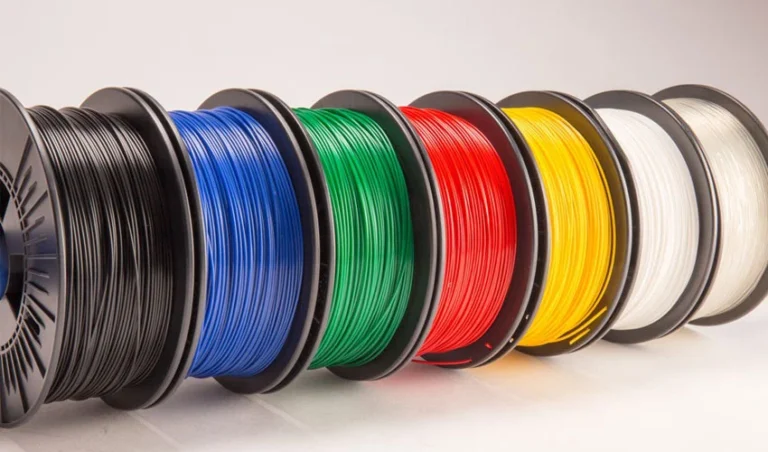
Choosing 3D printer filament starts with the part you want to make. A decorative model, a flexible component, and a functional bracket can call for different material properties and printer settings. Check your printer’s compatibility and the filament manufacturer’s guidance before choosing a spool.
Start with how the part will be used
Ask what the part needs to do. Does it need to look good, bend, hold its shape, or handle a particular environment? Also consider whether the part is a prototype, a display piece, or something that will be used regularly.
These requirements help narrow the material options. Do not choose based only on a material name or online recommendation; the specific filament formulation and printer setup matter too.
Understand common filament choices
PLA is widely used for general-purpose prints and models. PETG is another common option, while TPU is a flexible filament family. Materials such as ABS, ASA, nylon, or composites may be suitable for more specific applications, but can have additional printer and handling requirements.
Check manufacturer documentation for the exact product. Bambu Lab’s filament guide, for example, compares material attributes and applications for its filament lineup. Bambu Lab filament guide
Confirm printer compatibility
A filament can only be a good choice if the printer can process it appropriately. Check the printer manufacturer’s material support information, including any requirements for nozzle type, build surface, enclosure, or other accessories. Review the filament’s recommended settings as well.
If you are using a printer with an automatic material system or enclosed spool storage, confirm that the material is compatible with that equipment. Compatibility can vary by printer and material, so use the current product guidance.
Store and handle filament as recommended
Follow the storage and handling instructions provided by the filament manufacturer. Different materials can have different requirements, and keeping filament in suitable conditions can help support more consistent printing. If you see print quality changes after a spool has been open or stored for a while, check the material guidance and printer setup.
Choose for the part, then check the setup
The best filament for a project is the one that fits the part’s purpose and works with your printer. Start with the function, confirm compatibility, and follow the filament maker’s recommendations before printing.
Explore 3D printing materials and filament or ask 3D Herndon for help matching a material to your printer and project.